 Welcome to...
 Austria
 Belgium

In the modern landscape of beauty, the back of a fragrance box can often look more like a chemistry textbook than a sensory invitation. For the discerning US consumer, terms like Linalool, Limonene, Geraniol, and Cinnamol (a derivative of Cinnamal) frequently trigger questions. Are they synthetic additives? Are they safe for sensitive skin? And most importantly, why are they listed separately from the generic term "fragrance"?

At Shay & Blue, we believe that transparency is the ultimate luxury. Understanding these ingredients isn't just about regulatory compliance; it's about empowering you to curate a fragrance wardrobe that respects your skin's unique needs while delivering the high-performance sillage you expect from a boutique London house. When you spray a scent like Rhubarb Sandalwood Fragrance 3.4oz, you are experiencing a complex evolution of these very molecules.
“People are much more aware of what they’re putting on their bodies, and the fragrance industry is becoming much more transparent as a result.”Francis Kurkdjian, Perfumer — The New York Times, 2019
Decoding the "Big Four" Botanical Allergens
To the uninitiated, these names might sound like industrial chemicals. In reality, they are naturally occurring components found in essential oils. They are classified as allergens by the International Fragrance Association (IFRA) and the European Commission—and subsequently recognized by US regulatory bodies—not because they are inherently "bad," but because a small percentage of the population may develop a contact allergy to them.
Linalool: The Lavender Heart
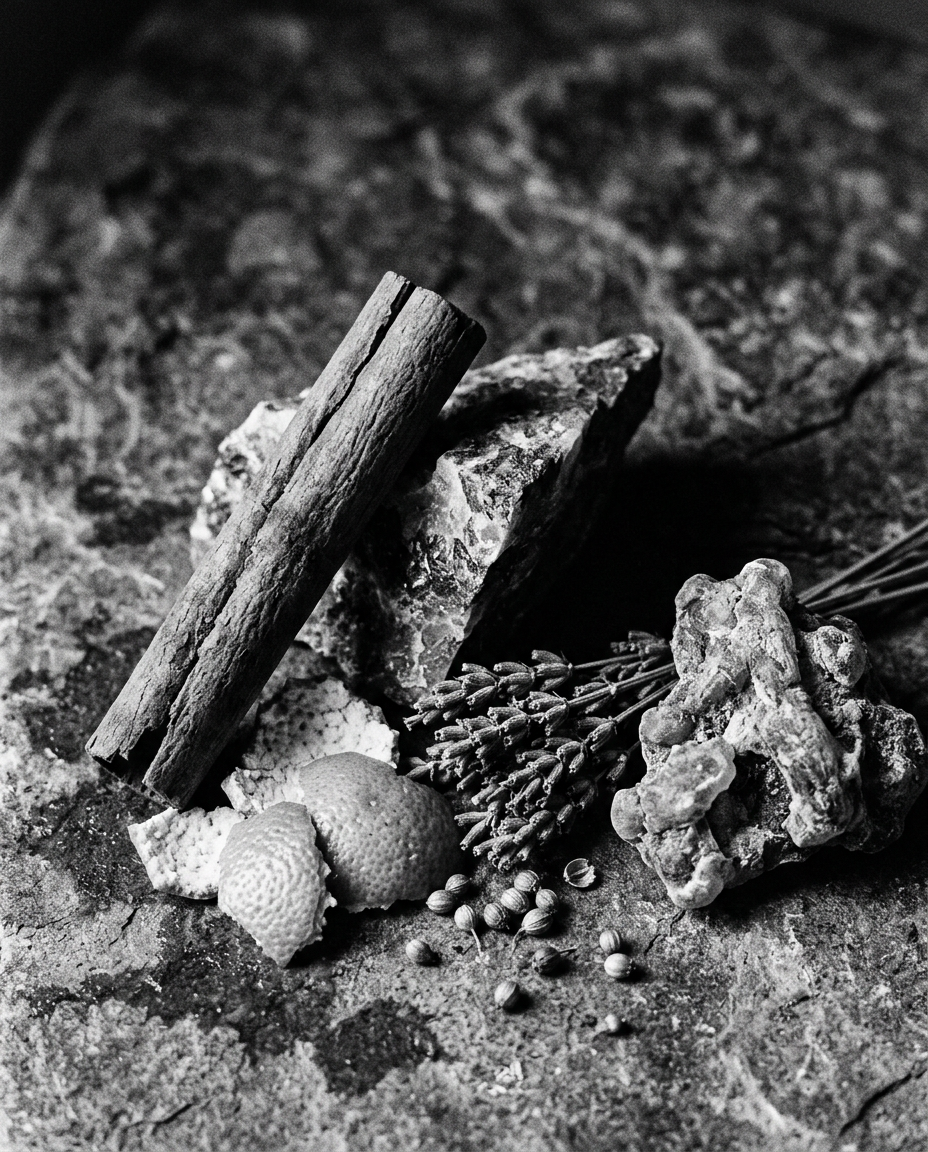
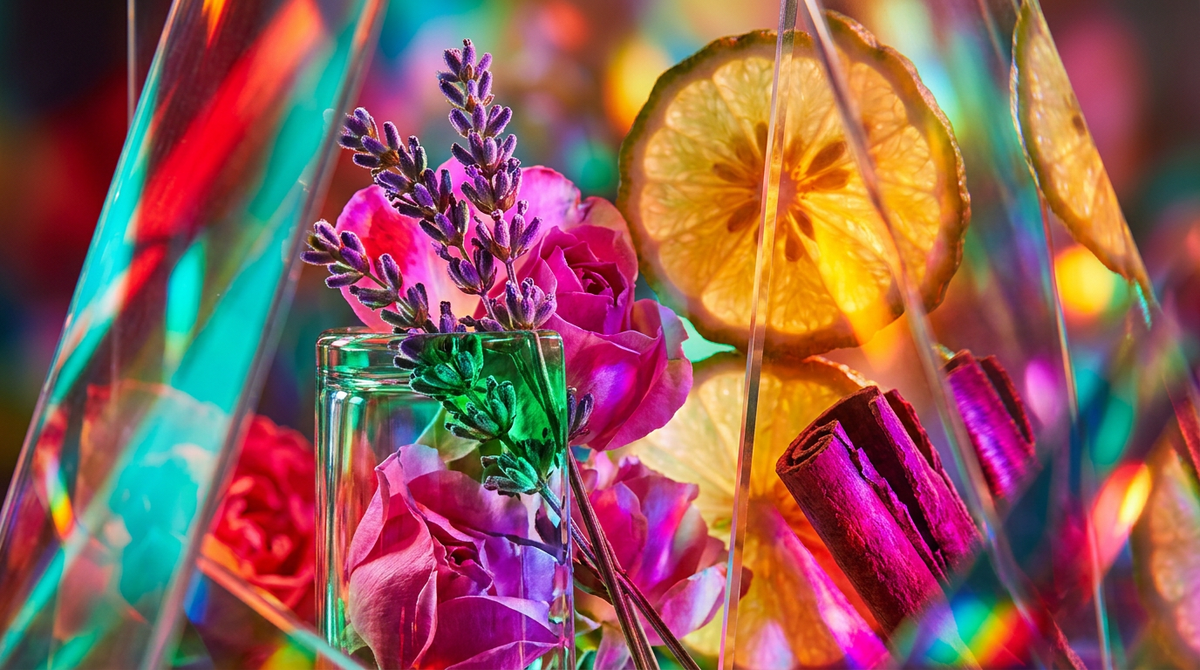
Linalool is a terpene alcohol that occurs naturally in over 200 species of plants, most notably lavender, mint, and cinnamon. In perfumery, it provides a soft, floral, and slightly spicy woodiness. It is one of the most common ingredients in the world because it adds a dewy morning freshness to floral compositions. However, when exposed to air, Linalool can oxidize, which is why Shay & Blue utilizes protective packaging and stable formulations to ensure longevity without irritation.
Limonene: The Citrus Spark
If a perfume smells like a freshly sliced orange or a sparkling 100% natural citrus grove, it likely contains Limonene. Found in high concentrations in the rinds of citrus fruits, it provides that bright and effervescent light that Americans love in summer staples like Sicilian Limes Fragrance 3.4oz. While uplifting, it is a known sensitizer in its oxidized state.
Geraniol and Cinnamol
Geraniol is the primary component of rose oil and palmarosa oil. It gives a fragrance that classic romantic bloom. Cinnamol (often listed as Cinnamal or Cinnamyl Alcohol) provides the warm, spicy kick reminiscent of a cozy winter evening. These molecules are essential for creating depth; without them, a perfume would feel flat and one-dimensional.
Why These Ingredients are Listed Separately
Under US and international labeling laws, brands are allowed to list "Fragrance" or "Parfum" as a single entity to protect trade secrets. However, 26 specific substances must be listed individually if they exceed a certain concentration (0.001% in leave-on products like perfume). This is why you will see Linalool or Geraniol at the end of an ingredient list. It’s not that they’ve been added as extra chemicals; it’s that the natural essential oils used—like the real fruit and flowers in Blackberry Woods Fragrance 3.4oz—naturally contain these molecules.
“Fragrance is a very complex mixture of many different ingredients, and some of those ingredients can be natural, and some can be synthetic.”Dr. Annetta Reszko, Dermatologist — Forbes, 2021
Performance, Longevity, and Skin Sensitivity
A common concern for the US fragrance community—from the enthusiasts on #PerfumeTok to the casual shopper at Nordstrom—is whether "safe" or "clean" scents actually last. There is a misconception that removing allergens or using natural sprays results in a scent that disappears in an hour.
At Shay & Blue, we prioritize a 12-hour longevity on fabric and skin by balancing these natural molecules with stable, high-quality fixatives. For example, our Parfum Nashwa Fragrance Noir 3.4oz uses rich cacao and oud to anchor the scent, ensuring it remains an intimate sillage that lasts through a full workday and into a night out.
If you have highly reactive skin, we recommend a "fabric-first" approach. Our natural spray fragrances are formulated to be fabric-safe, meaning you can mist your favorite sweater or scarf to enjoy the dark and moody sweetness of Dark Amber Pomegranate Fragrance Noir 3.4oz without direct skin contact. This is a favorite hack for those who want a bold projection without the risk of redness.
The Shay & Blue Commitment to Safety
Every bottle produced by Shay & Blue is PETA-certified cruelty-free and vegan. We handle the "Big Four" and all other fragrance allergens by following strict IFRA standards, ensuring that even when these molecules are present, they are used at levels that are safe for the vast majority of consumers. We don't believe in "old lady perfumes" or heavy, cloying scents that fill a room in an offensive way. Instead, we craft modern, gender-fluid profiles that smell like a real garden after it rains, not a laboratory.
Recommendations for Sensitive Users:
- The Patch Test: Always apply a small amount to the inner elbow and wait 24 hours.
- Check the Base: Scents with a "second-skin softness" often rely on musks and woods which can be less volatile than high-citrus (limonene-heavy) scents.
- Explore Rich Creams: If alcohol-based sprays are too drying, try a scented hydrator like the Blood Oranges Rich Almond Hand Creme 1.4oz, which offers a more intimate, dewy delivery of scent.
In conclusion, Linalool, Limonene, Geraniol, and Cinnamol are the building blocks of the botanical world. They are what make a rose smell like a rose and a lime taste like summer. By understanding their presence and our commitment to artisanal craftsmanship, you can spray with confidence, knowing that your signature scent is as safe as it is sophisticated.


Share:
The Complete Guide to Lilacs & Gooseberries Perfume: Notes, Occasion, and Layering
Why Blood Oranges Still Hits — The Citrus Fragrance With a Dark Side