 Welcome to...
 Austria
 Belgium

It’s a scenario we’ve all experienced. You catch a passing waft of a friend’s fragrance—something warm, sophisticated, and utterly irresistible. You ask for the name, run to the store, and spritz it on your own pulse points. But ten minutes later, that Dark and Mysterious Luxury you admired on them has turned into something sharp, saccharine, or simply unrecognizable on you.
Is your nose playing tricks on you? Not quite. The reality is that perfume is a living, breathing chemical reaction. It doesn’t just sit on your skin; it interacts with it. At Shay & Blue, we believe understanding this interaction is the key to finding your true signature scent. Welcome to Lesson 01 of the ScentBuzz Journal, where we deconstruct the mystery of skin chemistry perfume interactions and why your unique biology is the final ingredient in every bottle.
The Biological Canvas: Why Skin Chemistry Matters
When you spray a fragrance, it’s easy to think of your skin as a neutral surface, like a piece of paper. In reality, your skin is a complex ecosystem. Several biological factors determine how a scent evolves from that initial fresh and juicy opening to its final dry down.
1. The Role of pH Levels
Your skin’s acid mantle—the thin, protective film on the surface—typically has a pH balance between 4.7 and 5.7. If your skin is more acidic, it can literally "eat" certain notes. High acidity often causes citrus and bright florals to evaporate faster or turn sour. Conversely, if your skin is more alkaline, you might find that sweet or woody notes become amplified, sometimes to an overwhelming degree. This explains why a fragrance like Sicilian Limes might smell like a crisp margarita on one person but lean more toward a sharp, herbal moss on another.
2. Oil Production and Moisture
Perfume "sticks" to oil. If you have oily skin, scents will likely project more intensely and last significantly longer. The oils on your skin trap the fragrance molecules, slowing down their evaporation. On the other hand, dry skin is a fragrance's worst enemy. Without moisture, the alcohol in the perfume evaporates almost instantly, taking the scent with it. If you’ve ever wondered why your perfume actually lasts through a whole work day on some days but vanishes by noon on others, hydration is usually the culprit.
3. Body Temperature
Think of your body heat as an engine for fragrance. The warmer you are, the faster the top and heart notes of a perfume are pushed off the skin. This is why we apply perfume to pulse points—where the blood vessels are closest to the surface. If you have a naturally high body temperature, you might find that a scent starts off fresh but dries down to a warm finish much faster than someone with a cooler constitution.
The Architecture of Scent: Top, Heart, and Base Notes
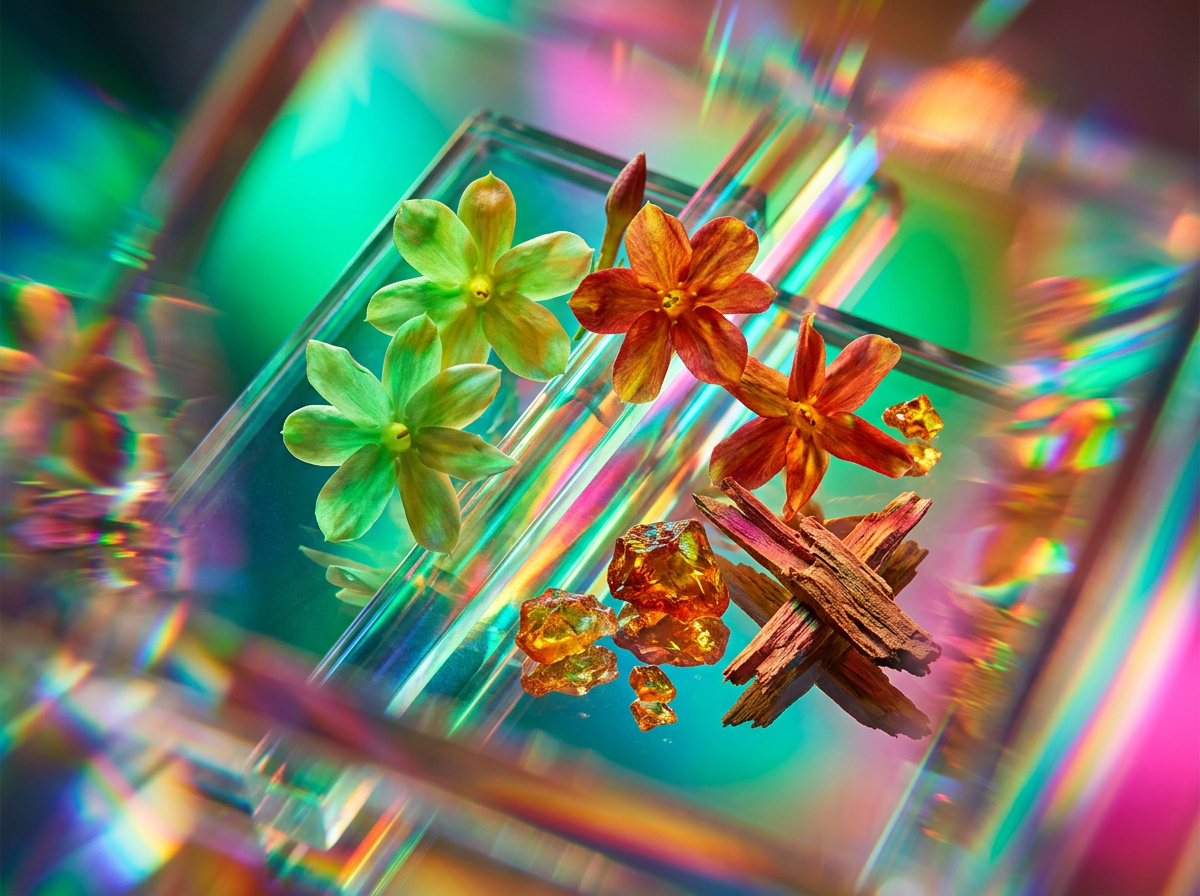
To understand why a scent changes, you have to understand how it’s built. Fragrance is composed of different-sized molecules that evaporate at different rates. This is known as the olfactory pyramid.
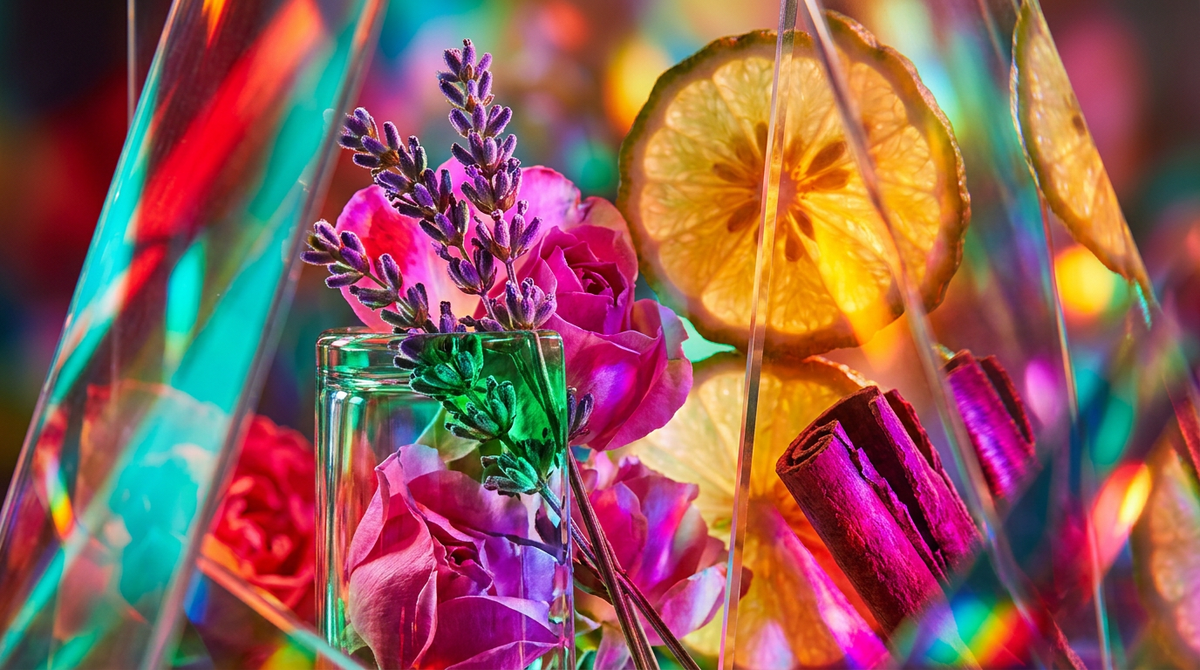
- Top Notes: The small, light molecules you smell instantly. These are your citruses and light fruits. They provide that sparkling and effervescent light but disappear within 15–30 minutes.
- Heart (Middle) Notes: The personality of the scent. These emerge as the top notes fade. Think of the Classic Romantic Bloom of roses or the spicy kick of black pepper.
- Base Notes: The heavy hitters. These are the large molecules like woods, musks, and resins. They provide the 12-Hour Longevity on Fabric and are the notes that most heavily interact with your skin’s unique oils.
When a customer tells us they want a scent that smells expensive but not too strong, they are often looking for a fragrance with a high-quality base that lingers as an Intimate Sillage. A perfect example is Driftwood Sea Salt. On some, the salty waves accord is prominent and airy; on others, the woodier vetiver notes take center stage, creating a more Mineral and Earthy grounding effect.
Environment and Lifestyle: The Invisible Variables
If skin chemistry is the canvas, your environment is the lighting. It’s not just about what’s happening on your body, but what’s happening around it. Your diet, the climate you live in, and even the products you use in the shower all play a role in how a fragrance like Lily La Luxe performs.
Diet and Hormones
What you eat affects how you smell. A diet high in spices, garlic, or onions can actually seep through your pores and alter the profile of your perfume. Similarly, hormonal shifts can change the way your skin reacts to scent, making a once-beloved bottle suddenly smell "off." This is why we often recommend a Your-Skin-But-Better Finish for daily wear—it’s more adaptable to these subtle internal changes.
Climate and Humidity
In the humid heat of Florida, a fragrance will bloom and project aggressively. In the dry, cold winters of the Northeast, that same scent might feel crisp and cold like morning air, staying much closer to the skin. When choosing a scent, consider your geography. A Sun-Drenched and Radiant joy profile might be your summer go-to, while something Cozy and Enveloping like Tonka Angelica is perfect for those fall nights in New York.
How to Master Your Personal Scentscape
Now that you know the science, how do you use it to your advantage? Finding a perfume that actually stays on my skin all day doesn't have to be a game of chance. Here are a few professional tips from the Shay & Blue team:
1. Test on Skin, Not Just Paper
Blotter strips are great for an initial impression, but they will never tell you the full story. Always test a fragrance on your own skin and give it at least four hours to evolve. You’re looking for a True-to-Note Linear Dry Down or a transition that you actually enjoy.
2. Prime Your Canvas
If your skin is dry, use an unscented moisturizer or a matching body product before spraying. This creates a surface for the fragrance molecules to grip onto. Using something like the Tallulahs Camellia Body Butter can provide a rich, hydrated base that enhances the longevity of your floral scents.
3. Don’t Rub Your Wrists
It’s a classic habit, but rubbing your wrists together creates friction that generates heat. This "crushes" the delicate top notes and forces the fragrance to skip straight to the heart, essentially ruining the intended Dewy Morning freshness of the opening.
Conclusion: Embracing the Unique
The fact that perfume smells different on everyone isn't a flaw—it's a feature. At Shay & Blue, we celebrate the Gender-Fluid / Non-Binary Profiles of our scents because they allow for such high levels of Aesthetic-led Discovery. Your body chemistry is what turns a high-quality fragrance into a truly bespoke, signature scent that gets tons of compliments from strangers.
Understanding your skin is just the first step in your fragrance journey. Now that you know why the scent changes, the next question is: how can you make sure it stays exactly where you want it?
Ready to dive deeper? Check out Lesson 02: How to Make Perfume Last Longer, or explore the rest of the ScentBuzz Journal to become a true fragrance aficionado.



Share:
How to Layer White Peaches Fragrance for a Unique Scent
How to Make Your Perfume Last Longer