 Welcome to...
 Austria
 Belgium

How Perfumers Actually Smell a Fragrance: Mastering the Art of Evaluation
In the world of fine fragrance, first impressions are often lies. We’ve all done it: walked into a department store, spritzed a card, took a sniff, and made an instant judgment. But if you ask a master perfumer how they evaluate a scent, they’ll tell you that the first 60 seconds are merely the introduction to a much longer story. Understanding how to smell as the pros do—transitioning from a casual consumer to a conscious connoisseur—requires understanding the architecture of a scent.
At Shay & Blue, we believe that fragrance is a living, breathing entity. Our artisanal approach focuses on the evolution of a scent on the skin, ensuring that what you smell at 8:00 AM in the office is just as captivating as the warm glow it leaves behind by dinner. Welcome to Lesson 04 of our fragrance masterclass: The Art of the Evaluation.
Decoding the Fragrance Pyramid: The Three Layers of Scent
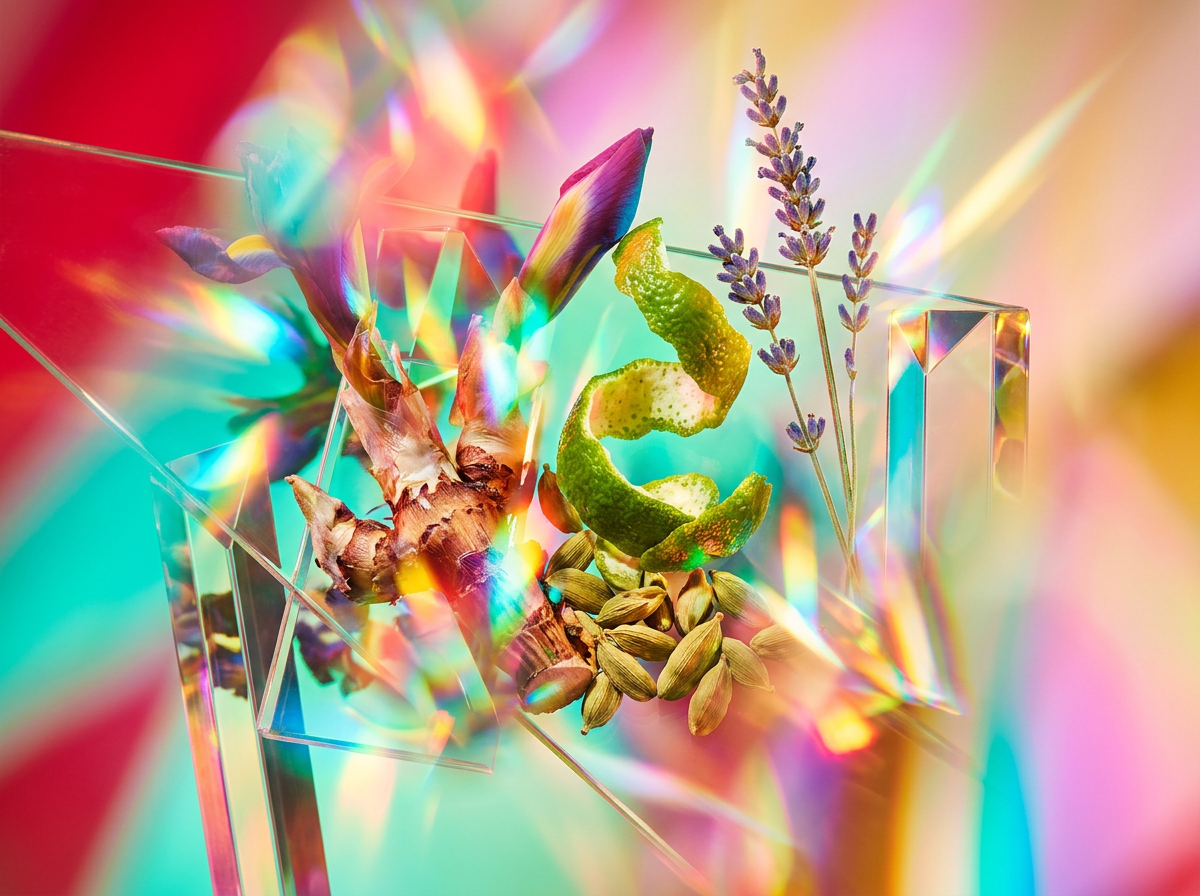
To smell like a professional, you must first understand the fragrance pyramid. This is the structural blueprint perfumers use to balance volatility—the rate at which different ingredients evaporate. A fragrance starts off fresh but dries down to something deeper because of this molecular weight.
1. Top Notes (The Head)
The top notes are what you experience in that initial "burst." They are composed of small, light molecules that evaporate quickly, usually within 5 to 15 minutes. Their job is to grab your attention. Think of the opening that is super fresh and juicy in a scent like our Clementine Fragrance. It’s sparkling and effervescent like champagne, but as a perfumer knows, this is just the hook.
2. Heart Notes (The Soul)
As the top notes fade, the heart notes emerge. This is the core personality of the perfume, making up about 40-80% of the total volume. These notes last anywhere from two to four hours. This is where you’ll find complex florals, spices, or fruits. A Shay & Blue favorite, Tallulahs Camellia, showcases this beautifully with a rebellious bluebell heart that feels like a real garden after it rains.
3. Base Notes (The Foundation)
The base notes are the heavy hitters. These large molecules don’t even begin to reveal themselves until the perfume has been on your skin for at least 30 minutes. They provide the 12-hour longevity on fabric and skin that distinguishes high-quality juice from mass-market spritzers. Ingredients like musk, amber, and woods act as fixatives, slowing down the evaporation of the lighter notes above them.
Why You Should Never Judge a Scent in the First Minute
Mass-market fragrances often front-load their formulas. They put all the "wow factor" into the top notes so you’ll buy the bottle at the counter immediately. However, an hour later, these scents often turn thin, metallic, or vanish entirely. A professional perfumer looks for a true-to-note linear dry down or a harmonious evolution where the transition between stages is seamless.
When evaluating a new scent, a perfumer will look for how it dries down to a warm finish. If you’re looking for a scent that smells expensive but not too strong, you have to wait for the heart and base to marry with your skin chemistry. This is the difference between a "perfume smell" and a signature scent that feels like a second-skin softness charm.
The Professional Spritz: How to Evaluate Like a Pro
If you want to analyze a fragrance like the experts at Shay & Blue, follow these steps during your next discovery session:
- The Paper Test: Spray onto a card (blotter) first. Wait 30 seconds for the alcohol to evaporate so you don't numb your nose. Smell it immediately, then again in one hour, and once more the next morning.
- The Skin Transition: If you like the card, move to the skin. The warmth of your body will accelerate the heart notes. Notice if the scent smells creamy and smooth, not sharp as it settles.
- The Sillage Check: Walk around. Does the scent stay close to the skin, or does it leave a trail? For a professional setting, you might want something safe for the office and not offensive, like the dewy morning freshness of our Blood Oranges Lotion.
- The Fabric Test: Perfume often smells different on clothes than on skin. High-quality ingredients like those used in our Frankincense Black Pepper Fragrance Noir are designed to offer a fine-mist fabric-safe application that lingers on a favorite sweater for days.
Key Profiles to Practice Your Senses
To sharpen your olfactory palate, try evaluating these three distinct profiles from the Shay & Blue collection. Each offers a masterclass in development:
The Dark & Moody: Black Tulip
If you want to understand how a scent feels dark and moody but sweet, evaluate Black Tulip. Notice the initial hit of fresh cyclamen (top), the transition into succulent plum (heart), and the final elegant adult gourmand finish of white chocolate (base).
The Bright & Zesty: Sicilian Limes
Contrast the darkness with something crisp and airy rather than heavy. In Sicilian Limes, you can smell the sharp, salty margarita opening that stays vibrant because of the grounding moss and rosemary in the base.
The Complex Floral: Atropa Belladonna
For a modern take on a rose scent that isn't actually rose—but carries that same romantic weight—study Atropa Belladonna. It moves from heady jasmine to a deep, sultry nightfall finish of patchouli and vanilla.
The Perfumer’s Secret: Fragrance Wardrobing
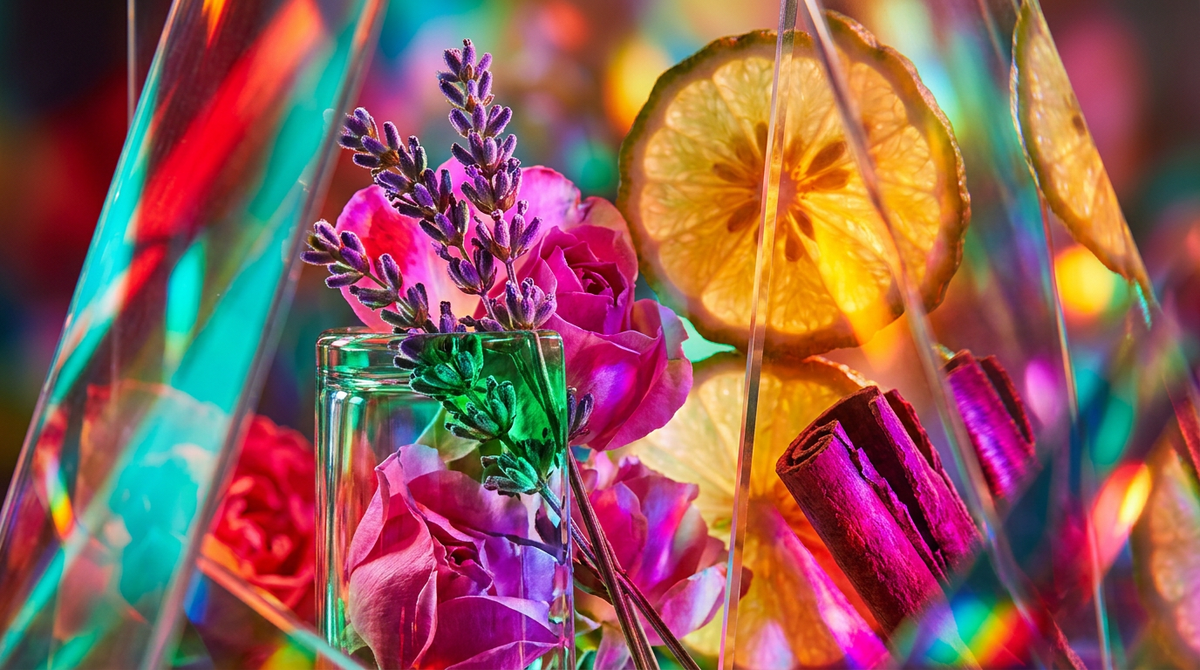
Professionals rarely wear just one thing. They understand that a scent that works well for both day and night is a versatile tool. By using a Portable Trio, you can practice "fragrance wardrobing," layering different profiles to see how their pyramids interact. Does a citrus top note brighten a woody base? Does a floral heart soften a spicy charred wood? This is where the true art begins.
"A perfume is like a piece of clothing; it has a cut, a texture, and a silhouette. You wouldn't judge a coat just by the buttons—you have to feel the lining and see how it moves when you walk."
Summary: The Golden Rule of Smelling
The next time you encounter a new fragrance, be patient. Let the alcohol evaporate, let the top notes announce the theme, and wait for the heart and base to reveal the true story. Look for that your-skin-but-better finish that only comes from artisanal, small-batch craftsmanship. When you find a scent that actually lasts through a whole work day and evolves beautifully, you’ve found something special.
At Shay & Blue, we don't just make perfume; we craft olfactory journeys. We invite you to slow down, breathe deep, and discover the layers within.
Coming Up Next in Lesson 05: Now that you know how to smell, we’re going to dive into where to smell. We’ll explore the science of pulse points, the myth of "rubbing your wrists," and how to make your fragrance last longer than ever before.



Share:
How to Make Your Perfume Last Longer
The Biggest Luxury Perfume Myths