 Welcome to...
 Austria
 Belgium


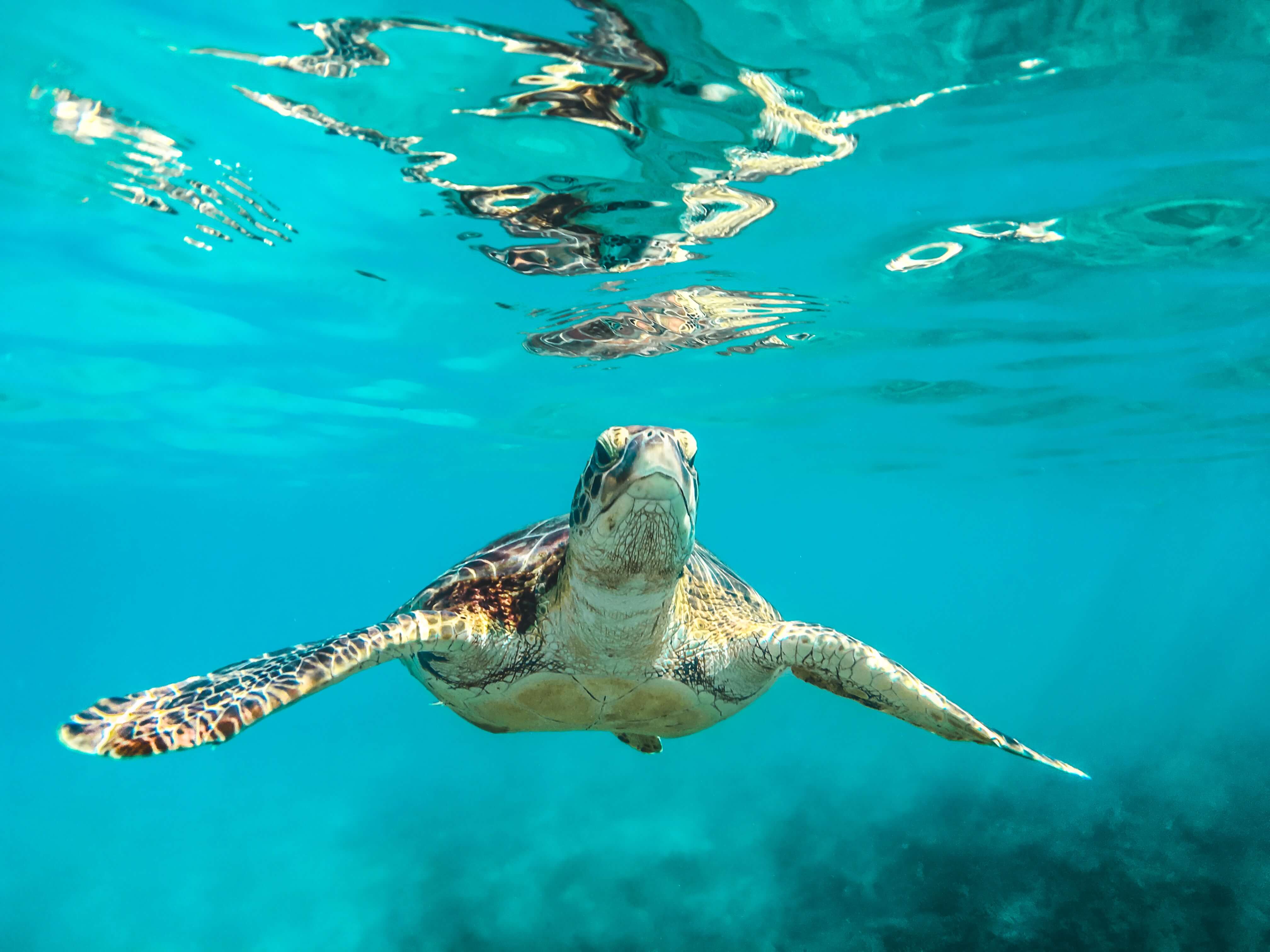
The climate crisis has given us all a renewed appreciation for our planet’s oceans and the marine life that lives beneath the water’s surface, as well as ocean conservation projects led by initiatives like the Tread Right Foundation. These 10 unbelievable ocean facts illustrate just how important these initiatives are.
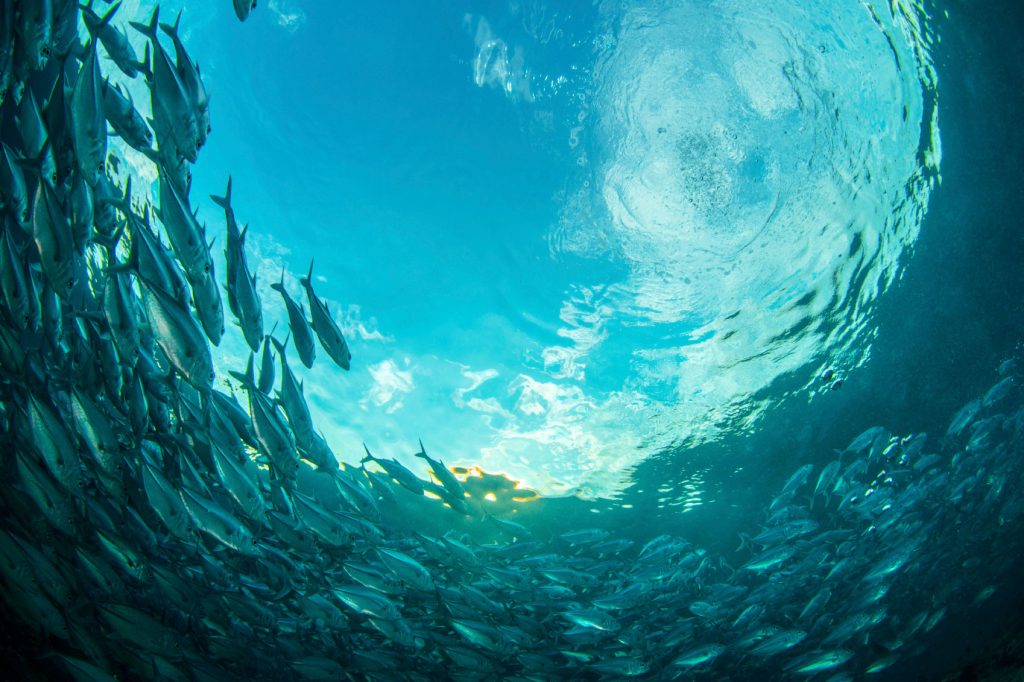
1. Our oceans cover more than 70 per cent of the Earth’s surface.
With so much of the Earth’s surface taken up by ocean, it’s evident how vital these marine environments are to the planet, and how much there still is to be explored.
2. The majority of life on Earth is aquatic.
As so much of the Earth’s surface is underwater, it comes as no surprise that marine species outnumber those on land. But, it’s an incredible 94 per cent of the Earth’s living species that exist within the oceans.
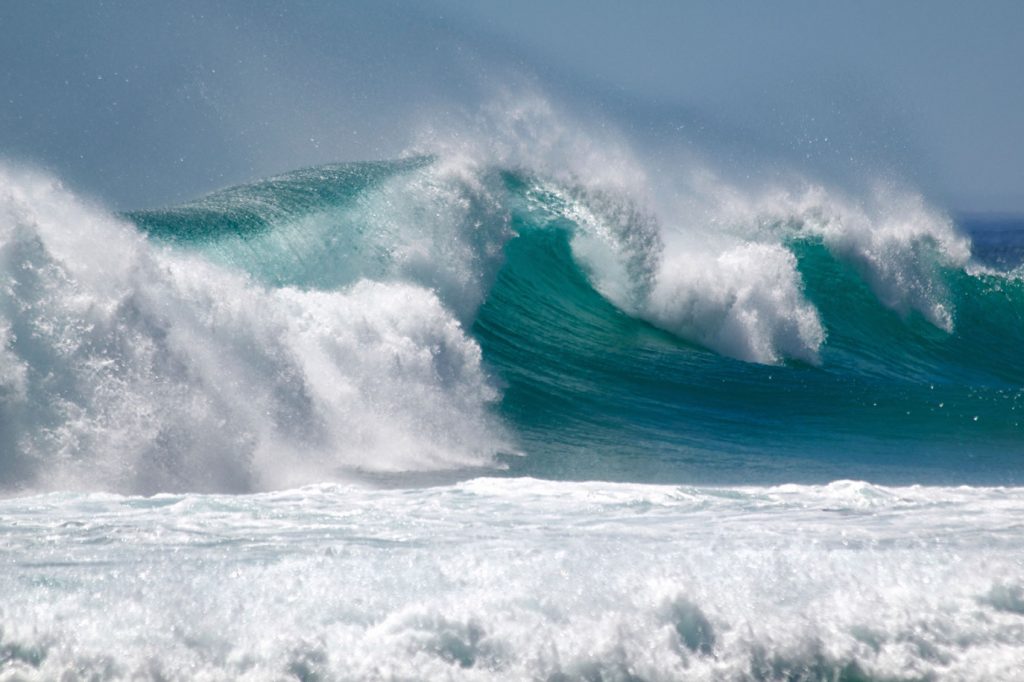
3. Less than five per cent of the planet’s oceans have been explored.
According to the Ocean Service, man has explored less than five per cent of Earth’s oceans. As researchers strive to discover more, we’re continually getting to know our oceans better.
4. The world’s longest mountain chain is underwater.
Earth’s longest chain of mountains, the Mid-Ocean Ridge, is almost entirely beneath the ocean, stretching across a distance of 65,000 kilometres. It’s said that this mountain chain is less explored than the surface of Venus or Mars.
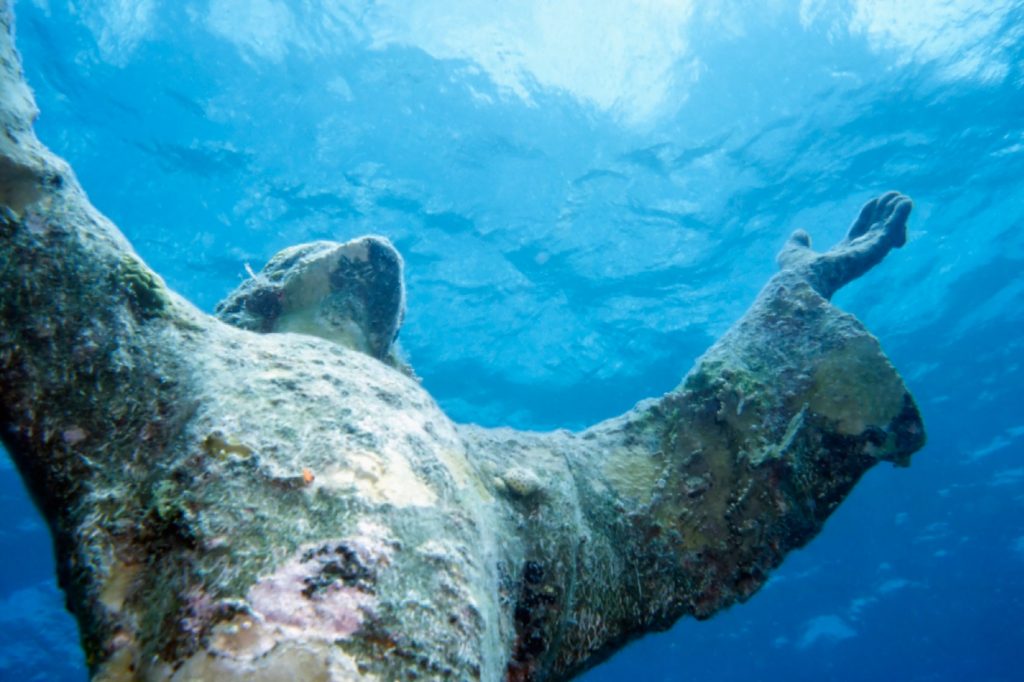
5. There are more historic artefacts under the sea than in all of the world’s museums.
Around 1,000 shipwrecks lie off the Florida Keys alone, some of which are within the Florida Keys National Marine Sanctuary. Other underwater museums have been created in recent years, including the Mediterranean’s submerged bronze statue, Christ of the Abyss.
6. We still only know a fraction of the marine species in our oceans.
According to the World Register of Marine Species there are now 240,470 accepted species, but this is believed to be just a small proportion of the species that exist, with new marine life being discovered everyday.
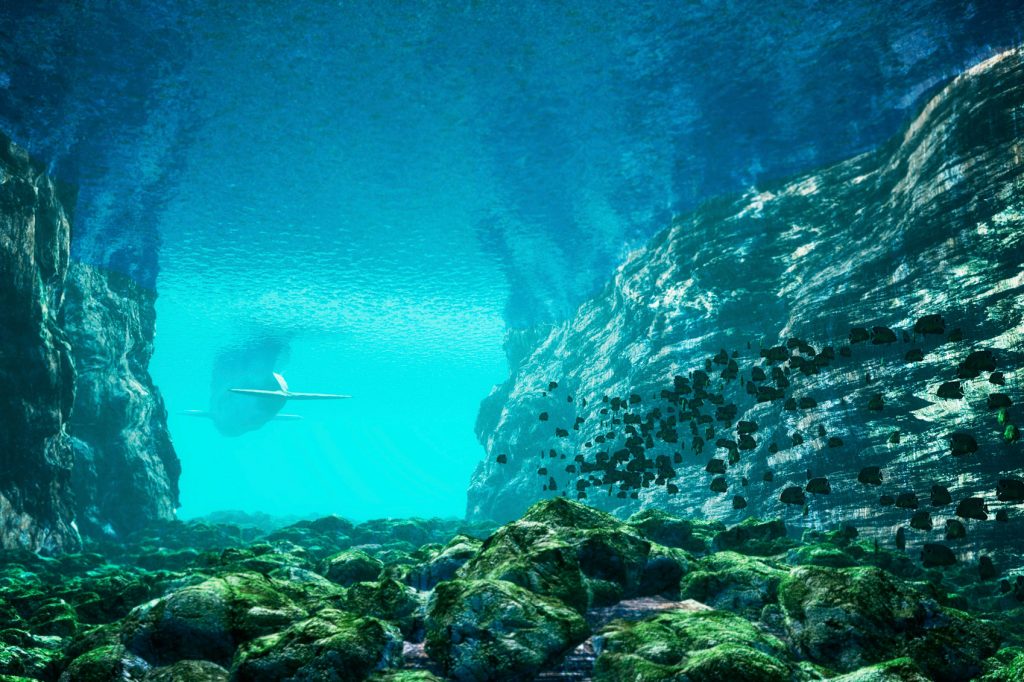
7. Over 70 per cent of our planet’s oxygen is produced by the ocean.
It’s thought that between 70 and 80 per cent of the oxygen we breathe is produced by marine plants, nearly all of which are marine algae.
8. It’s possible to find rivers and lakes beneath the ocean.
When salt water and hydrogen sulfide combine, it becomes denser than the rest of the water around it, enabling it to form a lake or river that flows beneath the sea.
9. Around 50 per cent of the US lies beneath the ocean.
Not only does a large part of the planet exist beneath the ocean, so does the United States – around 50 per cent, in fact.
10. The Pacific Ocean is the world’s largest ocean and contains around 25,000 islands.
With 25,000 islands lying within it, the Pacific Ocean has more islands than anywhere else on the planet.
About the ocean
The ocean is a continuous body of salt water that covers more than 70 percent of the Earth's surface. Ocean currents govern the world's weather and churn a kaleidoscope of life. Humans depend on these teeming waters for comfort and survival, but global warming and overfishing threaten Earth's largest habitat.
Geographers divide the ocean into five major basins: the Pacific, Atlantic, Indian, Arctic, and Southern. Smaller ocean regions such as the Mediterranean Sea, Gulf of Mexico, and the Bay of Bengal are called seas, gulfs, and bays. Inland bodies of saltwater such as the Caspian Sea and the Great Salt Lake are distinct from the world's oceans.
The oceans hold about 321 million cubic miles (1.34 billion cubic kilometers) of water, which is roughly 97 percent of Earth's water supply. Seawater's weight is about 3.5 percent dissolved salt; oceans are also rich in chlorine, magnesium, and calcium. The oceans absorb the sun's heat, transferring it to the atmosphere and distributing it around the world. This conveyor belt of heat drives global weather patterns and helps regulate temperatures on land, acting as a heater in the winter and an air conditioner in the summer.

Surf and spray scatter as a large wave crashes onto the shore in Palau. More than 250 islands make up the country.
PHOTOGRAPH BY PAUL CHESLEYSea life
The oceans are home to millions of Earth's plants and animals—from tiny single-celled organisms to the gargantuan blue whale, the planet's largest living animal. Fish, octopuses, squid, eels, dolphins, and whales swim the open waters while crabs, octopuses, starfish, oysters, and snails crawl and scoot along the ocean bottom.
Life in the ocean depends on phytoplankton, mostly microscopic organisms that float at the surface and, through photosynthesis, produce about half of the world's oxygen. Other fodder for sea dwellers includes seaweed and kelp, which are types of algae, and seagrasses, which grow in shallower areas where they can catch sunlight.

Photo by Clara Cordero on Unsplash
The deepest reaches of the ocean were once thought to be devoid of life, since no light penetrates beyond 1,000 meters (3,300 feet). But then hydrothermal vents were discovered. These chimney-like structures allow tube worms, clams, mussels, and other organisms to survive not via photosynthesis but chemosynthesis, in which microbes convert chemicals released by the vents into energy. Bizarre fish with sensitive eyes, translucent flesh, and bioluminescent lures jutting from their heads lurk about in nearby waters, often surviving by eating bits of organic waste and flesh that rain down from above, or on the animals that feed on those bits.
Despite regular discoveries about the ocean and its denizens, much remains unknown. More than 80 percent of the ocean is unmapped and unexplored, which leaves open the question of how many species there are yet to be discovered. At the same time, the ocean hosts some of the world's oldest creatures: Jellyfish have been around more than half a billion years, horseshoe crabs almost as long.
Other long-lived species are in crisis. The tiny, soft-bodied organisms known as coral, which form reefs mostly found in shallow tropical waters, are threatened by pollution, sedimentation, and global warming. Researchers are seeking ways to preserve fragile, ailing ecosystems such as Australia's Great Barrier Reef.
Human impacts
Human activities affect nearly all parts of the ocean. Lost and discarded fishing nets continue to lethally snare fish, seabirds, and marine mammals as they drift. Ships spill oil and garbage; they also transport critters to alien habitats unprepared for their arrival, turning them into invasive species. Mangrove forests are cleared for homes and industry. Our garbage—particularly plastic—chokes the seas, creating vast "garbage patches" such as the Great Pacific Garbage Patch. Fertilizer runoff from farms turns vast swaths of the ocean into dead zones, including a New Jersey-size area in the Gulf of Mexico.

Photo by Christian Bisbo Johnsen on Unsplash
Climate change, the term scientists now use to describe global warming and other trends currently affecting the planet because of high greenhouse gas emissions from humans, is strikingly reflected in the oceans. The year 2018 marked the oceans’ hottest year on record, and warmer waters lead to a range of consequences, from changing colors to rising sea levels to more frequent powerful storms. The greenhouse gas carbon dioxide is also turning ocean waters acidic, and an influx of freshwater from melting glaciers threatens to alter the weather-driving currents: the Atlantic Ocean's currents have slowed by about 15 percent over the past few decades.
A community of scientists, explorers, and citizen scientists continues to study the ocean, hoping that more information will yield more paths for conservation. Underwater drones, for example, are being deployed to explore undersea frontiers, while new tools are helping scientists measure and understand what they find. Read more about ocean threats and solutions here.
How you can help
Like this article? Sign up to our newsletter to get more delivered straight to your inbox
_____________





Share:
Sustainable Clothing Brands We Are Loving
Cupcake Day