 Welcome to...
 Austria
 Belgium


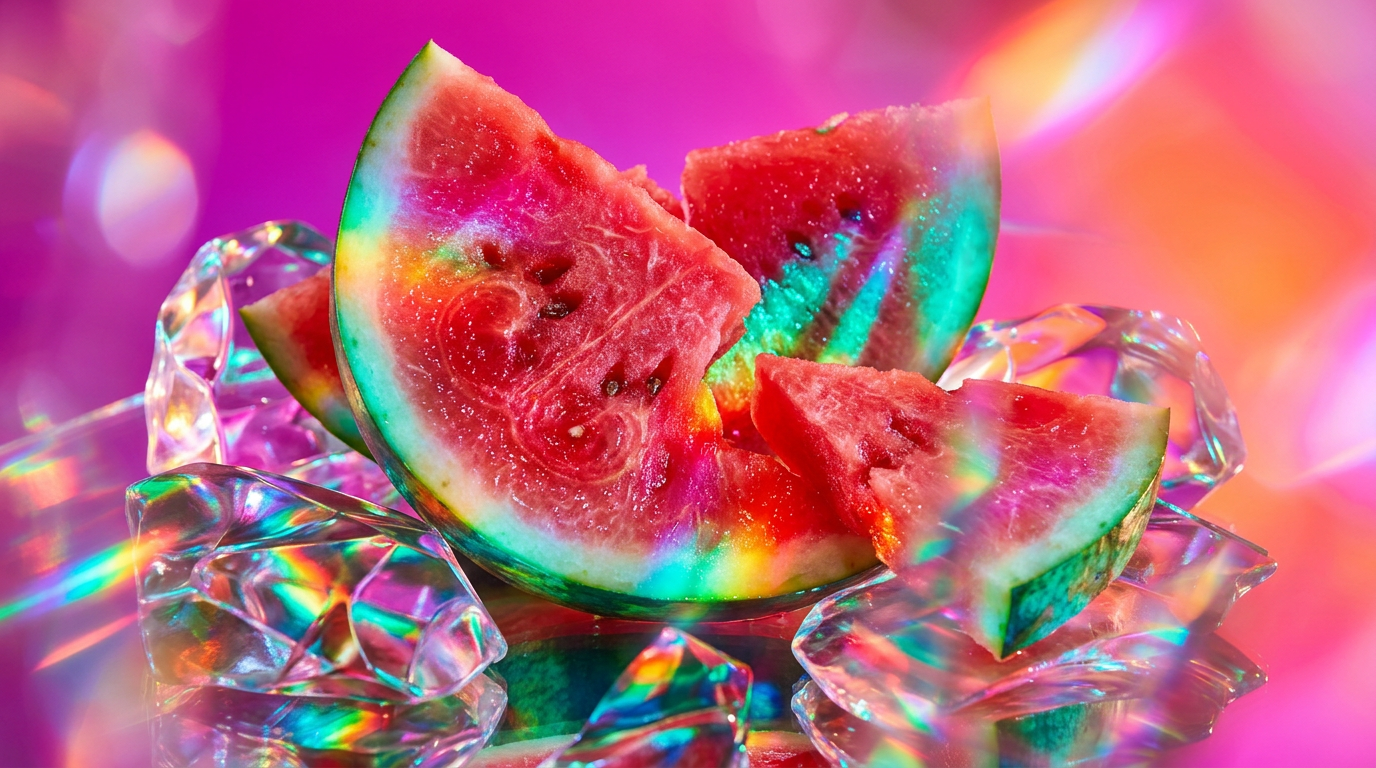
Why Does My Fragrance Smell Like Watermelon? The Science of Aquatic Freshness
It is a distinct olfactory moment: you spritz a new scent, expecting a complex bouquet of florals or woods, but instead, you are greeted by the unmistakable, mouth-watering aroma of a freshly sliced watermelon. This vibrant, watery, and slightly sugary scent profile has become a staple in modern perfumery, particularly within the "clean girl" aesthetic and the search for the perfect vacation-ready fragrance. But how do perfumers replicate such a specific fruit scent, and why does it appear even in fragrances that don't list watermelon on the label?
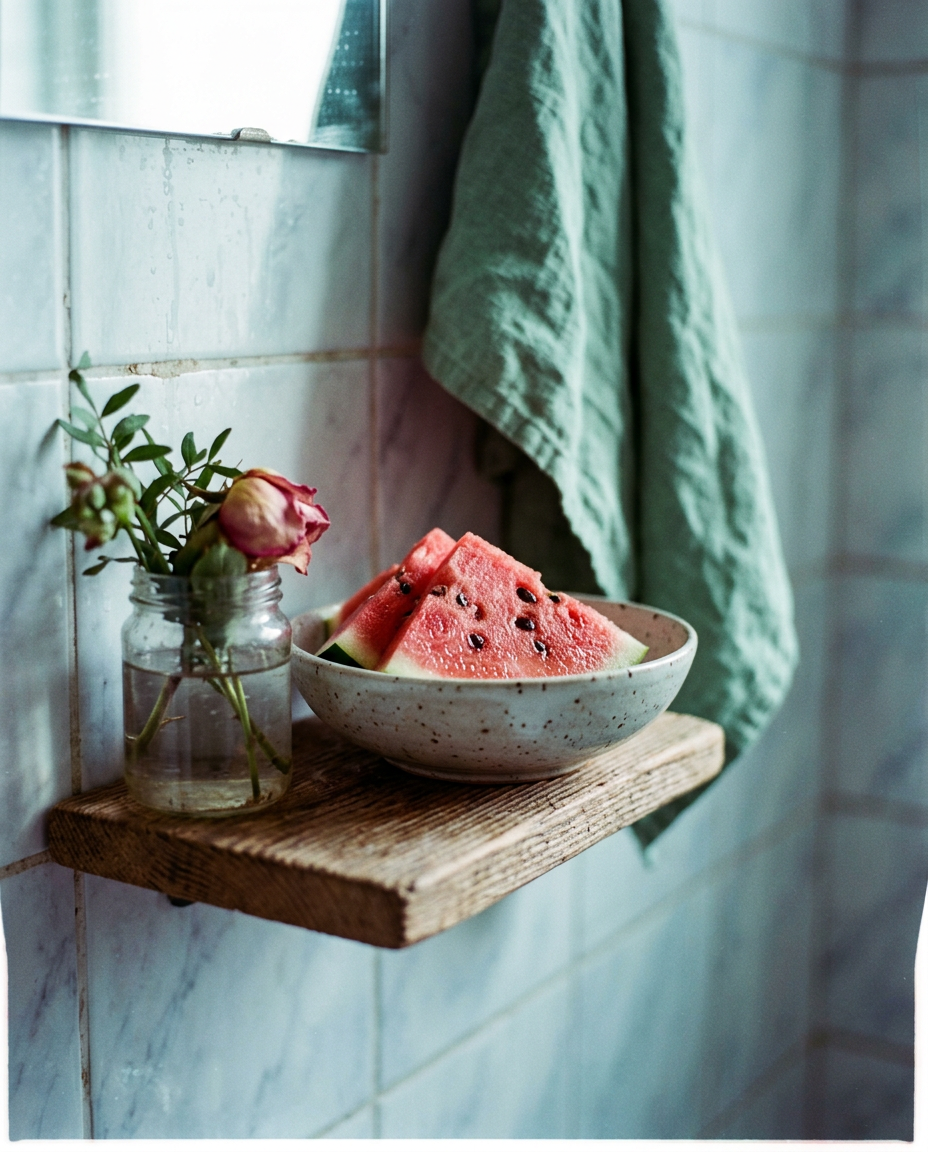
Understanding the "watermelon effect" requires a look at both synthetic chemistry and the art of the accord. Whether you are looking for a hyper-realistic dewy floral or a fragrance that feels like a cold, crisp morning air, the way our brains process "watery" notes is the key. Often, what we perceive as watermelon is a specific aroma chemical called Calone, or a clever combination of ozonic notes that mimic the fruit's high water content and subtle sweetness.
“Watermelon is a very difficult note to achieve because it’s mostly water. You have to create the illusion of that crunch and that wetness using molecules like Calone.” Francis Kurkdjian, Perfumer — The Cut, 2018
The Chemistry of the Watermelon Note: Meet Calone
In the world of fragrance, watermelon is rarely a natural extract. Unlike citrus oils, which can be expressed from the peel, watermelon is too watery to yield an essential oil through traditional distillation. Instead, perfumers rely on a class of synthetic molecules known as salicylates and, most famously, Calone 1951. Discovered by Pfizer in the 1960s, Calone has an intense “sea-breeze” scent with distinct floral and fruity undertones. To the human nose, this often translates as a mix of melon and cucumber.
This molecule was the backbone of the 1990s aquatic revolution and continues to be used today to create that "just out of the shower" feeling. When a fragrance feels airy and transparent with a hint of sweetness, your brain often identifies the most familiar natural reference point: a juicy watermelon. This is especially true when paired with green notes like cut grass or mint, which ground the sweetness and make it feel botanical rather than syrupy.
For those who want to lean into this vibe, Watermelons Fragrance 3.4oz by Shay & Blue is a masterclass in the genre. It captures that body-drenching freshness by combining the fruit note with green mandarin and honeysuckle, ensuring it smells like a real garden after it rains rather than a piece of candy.
The Power of Olfactory Association

Sometimes, your fragrance smells like watermelon even if the fruit isn't in the notes. This happens due to "olfactory overlap." Certain white florals, like lily of the valley or jasmine, contain molecules that, when diluted, take on a watery, melon-like quality. When these are combined with crisp citrus—like the sparkling pink grapefruit found in Cedarwood Grapefruit Fragrance 1.0oz—the result can be a bright and effervescent profile that mimics the refreshing bite of a fruit salad.
Perfumers also use "ozonic" accords to create a sense of space and light. These accords are designed to smell like the air before a storm or the mist of a waterfall. Because watermelon is 92% water, our brains easily bridge the gap between a "wet air" scent and the fruit itself. This is why many people find that Shay & Blue's lighter florals have a dewy morning freshness that feels incredibly natural and non-cloying.
“Smell is a potent wizard that transports you across thousands of miles and all the years you have lived.” Helen Keller, Author — The Century Magazine, 1908
Transitioning from Sweet to Sophisticated
One common objection to fruity scents is that they can feel "juvenile" or overly sugary. However, the modern US market has seen a shift toward the "Elegant Adult Gourmand." This approach balances sweetness with grounding elements like mineral woods, salt, or leather. A fragrance that starts off fresh and juicy but dries down to a warm, skin-like finish is highly coveted for its versatility.
Take, for instance, the contrast found in Rhubarb Sandalwood Fragrance 3.4oz. While rhubarb offers a sharp, tangy fruitiness that shares some DNA with the freshness of watermelon, it is immediately anchored by creamy sandalwood. This prevents the scent from becoming too "candy-like" and instead makes it feel polished and professional. It’s a sophisticated take on fruit that works for both the office and a night out.

For a complete sensory experience, many Americans are now "fragrance wardrobing" by layering their scents with body care. Using a product like Watermelons Lip and Cheek Tint allows you to carry that fresh, zingy vibe in a subtle, second-skin way. It’s about creating an aesthetic—one that feels sun-drenched and radiant without being loud.
Why It Works: The Psychology of Freshness
In the United States, the preference for "clean" and "watery" scents is often linked to our environments. From the high heat of a Miami summer to the humid afternoons in NYC, we crave fragrances that don't feel heavy or cloying. Watermelon and its aquatic cousins provide a cooling sensation. They are the olfactory equivalent of a cold glass of water.
Furthermore, these scents are often considered "genderful." Because they rely on freshness rather than traditional heavy musks or powdery florals, they are perfectly unisex and shared by partners across the country. Whether it is the zesty citrus of Sicilian Limes Fragrance 1.0oz or the airy blossom of Melrose Apple Blossom, the goal is a scent that feels like a warm hug in a bottle—inviting, approachable, and undeniably fresh.
Key Takeaways for Finding Your Fresh Signature:
- Look for 'Aquatic' or 'Ozonic' notes: These are the building blocks of that watery watermelon feel.
- Balance with Woods: To avoid a "sugar rush," choose fragrances that feature sandalwood, cedar, or silver birch in the base.
- Consider the Dry Down: A fragrance that stays true to its note from first spray to 12-hour longevity on fabric is the mark of artisanal craftsmanship.
So, the next time you ask yourself, "Why does my fragrance smell like watermelon?" remember that it is likely a deliberate choice by the perfumer to evoke a sense of joy, hydration, and light. It’s a modern take on luxury that values transparency and nature-identical experiences above all else. Embrace the splash!


Share:
Is Black Cherry & Fig Fragrance Safe for Pregnant Women?
Is This for Male or Female? Understanding Genderful Fragrances